Technical guide
Water hardness, softeners and descaling for espresso machines
Hard water leaves limescale on the heating element, probes and valves of the machine. Measure your water hardness and compare it with the range the machine maker specifies — La Marzocco, for example, asks for 70 to 100 ppm. Above that, fit a softener or filter and keep it maintained; descaling the boiler is a job for a technician.
How is water hardness measured, and what do °fH, °dH and mg/L mean?
Total hardness is the amount of calcium and magnesium salts dissolved in the water, expressed in mg/L (or ppm) of calcium carbonate. One French degree (°fH) equals 10 mg/L and one German degree (°dH) about 17.9 mg/L. Measure it with a test kit at the tap that feeds the machine, or ask the local water utility.
EPAL, the Lisbon water utility, classifies water as follows:
- soft: 0–60 mg/L (0–6 °fH);
- medium: 60–150 mg/L (6–15 °fH);
- hard: 150–300 mg/L (15–30 °fH);
- very hard: above 300 mg/L (above 30 °fH).
The share of hardness tied to carbonates and bicarbonates, called temporary hardness, is the part that precipitates with heat and forms limescale in the boiler. Water from limestone areas is harder than water from granite areas, so the figure changes a great deal from one town to the next: measure rather than assume.
What water hardness does an espresso machine need?
Whatever the machine manufacturer specifies; there is no single value. La Marzocco publishes 70–100 ppm total hardness, 90–150 ppm total dissolved solids (TDS), 40–80 ppm alkalinity, pH between 6.5 and 8, and chloride up to 30 ppm. An earlier edition of the Linea Classic manual asked for 9 to 15 °fH (90–150 ppm) and chlorides below 50 mg/L.
The target is a range, not zero. The same brand warns that water with low mineral content, low pH or high chloride is corrosive to components.
Resin softener or cartridge filter: what is the difference?
Both reduce limescale, by different processes; the choice depends on hardness, consumption and the upkeep the business can keep to.
- Resin softener: the resin retains calcium from the water. Once saturated, it is regenerated with coarse kitchen salt (sodium chloride) or dedicated softener salt. There are manual and automatic models.
- Decarbonising cartridge filter: it reduces carbonate hardness and has a bypass that sets the share of water passing untreated. Capacity in litres depends on the carbonate hardness and the bypass chosen; once it is used up, or the maker's maximum service period is reached, the cartridge is replaced.
In either case the unit is fitted upstream of the machine. Water connections are listed under Tubing & Fittings.
How often should the softener be regenerated?
It depends on the softener volume, the hardness and the consumption. C.M.A. and Astoria manuals give every 15 days as the rule, and more often where water is very hard or a lot of hot water is used. The table in those manuals shows how many litres each model treats between regenerations:
| Softener | Salt per regeneration | 30 °fH | 40 °fH | 60 °fH | 80 °fH |
|---|---|---|---|---|---|
| 8 litres | 1.0 kg | 1000 L | 900 L | 700 L | 500 L |
| 12 litres | 1.5 kg | 1500 L | 1350 L | 1050 L | 750 L |
| 16 litres | 2.0 kg | 2100 L | 1800 L | 1400 L | 1000 L |
Other makers count in coffees: for its DP2 and DP4 softeners, Rancilio gives one regeneration a month or one a fortnight, depending on the number of coffees per day, for water at 25 °fH. Always use the table for your own softener.
On a manual model, the procedure comes down to isolating the softener with its levers, letting the pressure out, opening the lid, adding the salt, closing it and letting the salty water run out through the drain hose until it is no longer salty, which takes about 30 to 60 minutes. Only then does the softener go back into service.
How is a professional machine descaled?
On a professional machine, descaling the boiler and the hydraulic circuit is workshop work for a technician, not an operator routine. The manufacturer manuals consulted for this guide give the operator no chemical procedure for the boiler: they prescribe prevention and a check at least once a year for limescale on the heating element, the heat exchangers and the circuit.
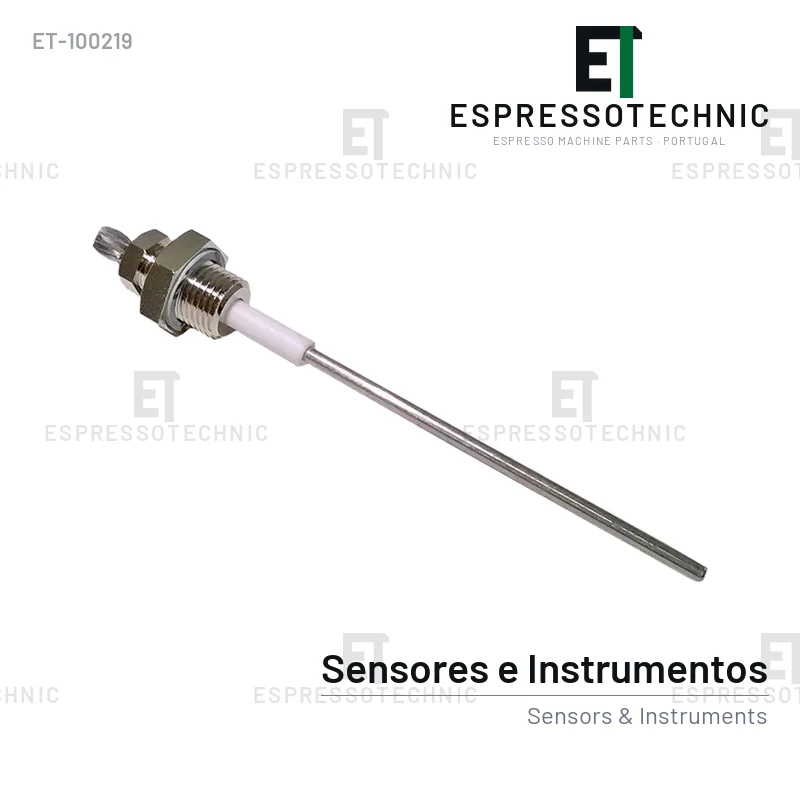
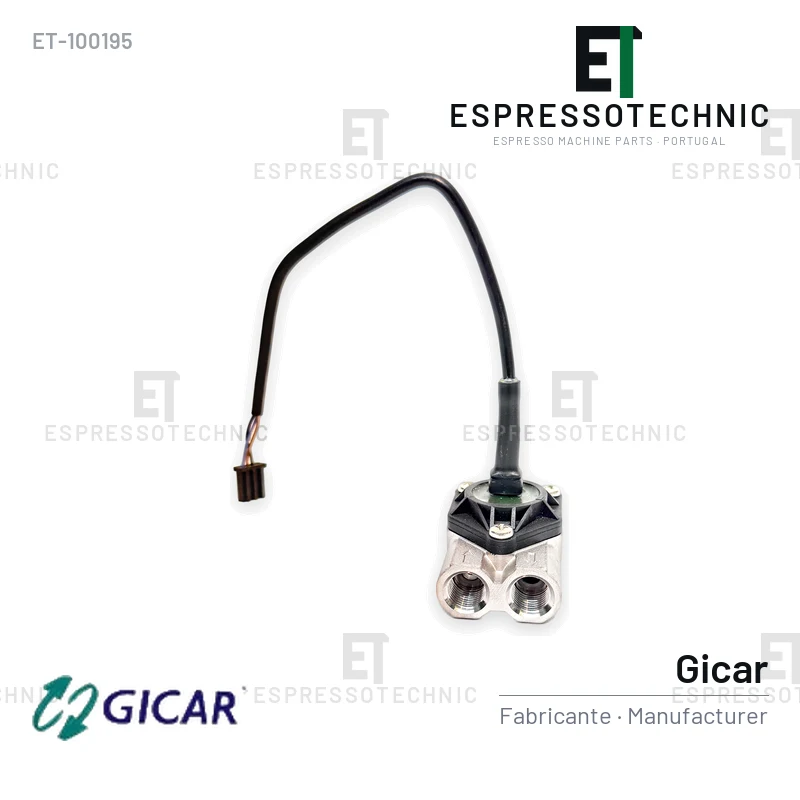
The effects of limescale described in those manuals are poorer heat exchange in the boiler, a scaled level probe that lets the boiler overfill, a flowmeter wheel that stops turning, and valves with a stuck pin.
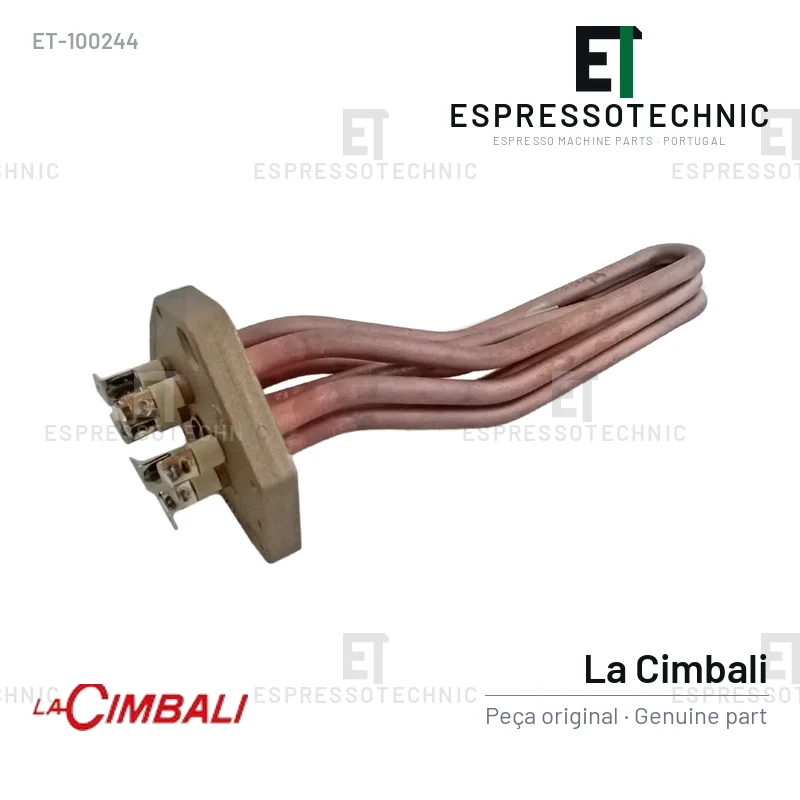
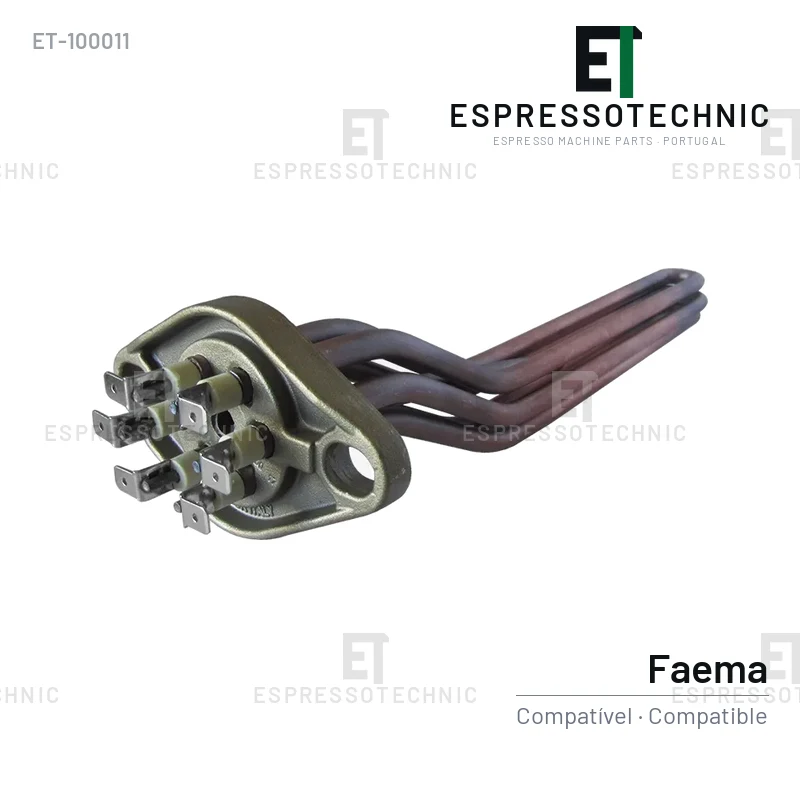
As a rule, the technician works with the machine cold and drained: the affected components are removed, cleaned with an acid descaler made for coffee machines, used according to its instructions (such products contain, for example, citric acid and sulfamic acid) or replaced, rinsed thoroughly and refitted with new gaskets. The parts limescale damages most are under Boilers & Heating, Sensors & Instruments and Valves & Pumps.
FAQ
- Does Lisbon water require a softener?
- It depends on the machine. In its 2015 information sheet, EPAL reported 40 to 170 mg/L of calcium carbonate in the city of Lisbon, averaging 80 mg/L (8 °fH): soft to medium water. That may fall inside or outside the manufacturer's range, so measure at your own tap.
- Can I use distilled or mineral-free water to avoid limescale?
- It is not advisable. La Marzocco warns that water with low mineral content can be corrosive and may not even be recognised by the machine.
- Can limescale void the machine warranty?
- It can. C.M.A. and Astoria manuals state that heavy scaling of the boiler invalidates the warranty, as it shows regeneration was neglected, and La Marzocco makes the warranty conditional on the water quality set out in the manual.
Related part families
Prices and availability on request. We reply in English or Portuguese.