Technical guide
Solenoid valves in espresso machines: 2-way, 3-way, fault symptoms and the coil
A 2-way solenoid valve simply opens or shuts one water path, such as the boiler fill line. A 3-way valve, fitted on the group, lets water through while brewing and, when switched off, vents the pressure left in the portafilter to the drain. Most faults come from dirt or limescale inside the valve, or from a burnt coil.
What is the difference between a 2-way and a 3-way solenoid valve?
A 2-way valve has an inlet and an outlet; a 3-way valve adds a third port, the exhaust. In espresso machines both are, as a rule, normally closed (NC) and direct acting: with no power the plunger closes the orifice; when the coil is energised, the magnetic field moves the plunger and the path opens.
In a 3-way valve the plunger carries two seals. At rest it closes the inlet and leaves the outlet connected to the exhaust; when powered it opens the inlet and closes the exhaust. That is why, at the end of each shot, the pressure left above the coffee is released into the drip tray and the portafilter comes off without spraying.
| Feature | 2-way (2/2 NC) | 3-way (3/2 NC) |
|---|---|---|
| Ports | Inlet and outlet | Inlet, outlet and exhaust |
| No power | Path closed | Inlet closed; outlet connected to exhaust |
| Powered | Path open | Inlet open to outlet; exhaust closed |
| Usual job | Boiler autofill, water inlet, hot water | Controlling water to the group |
What are the symptoms of a faulty solenoid valve?
It depends on where the valve works; technical manuals point mainly to these signs:
- No water from the group while the pump runs: group valve not powered, coil burnt, or valve dirty or clogged.
- Soaked puck or a portafilter that sprays when removed: the exhaust of the group valve is blocked.
- Group dripping at rest: dirt on the seat or a worn seal stops the valve from closing.
- Boiler does not fill: faulty fill valve, or its inlet filter is clogged.
- Too much water in the boiler: fill valve not sealing, or a level probe coated with limescale.
Before blaming the valve, rule out the other causes listed in the same manuals: a blocked jet or shower screen, coffee ground too fine, no mains water. The parts involved are under Group & Portafilter and Sensors & Instruments.
How do I check whether the coil is burnt?
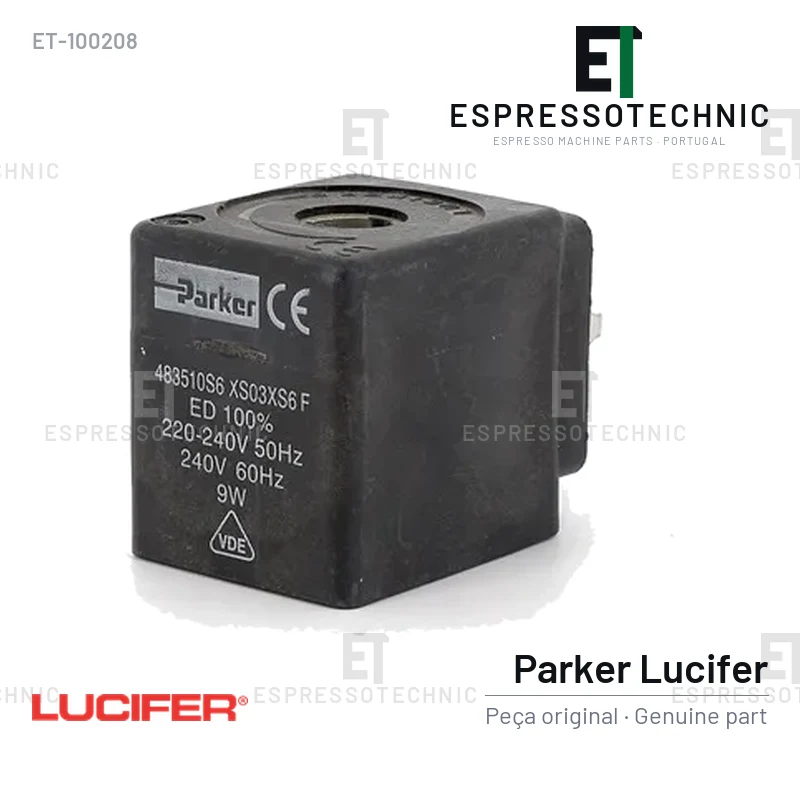
With the machine disconnected from the mains and the connector removed from the coil, measure the resistance across the two coil terminals with a multimeter: an open circuit, with no continuity, means the winding is broken and the coil must be replaced. The correct value depends on the voltage and power of each coil, so there is no universal figure; compare it with an identical coil in good condition or with the maker's data.
Solenoid valve manufacturers trace a burnt coil to four causes: wrong voltage or frequency, moisture causing a short circuit, a plunger stuck by dirt or a damaged armature tube, and excessive temperature. Two practical rules follow: never lift a coil off the valve body with voltage applied, and if a new coil burns again, clean or replace the valve body as well.
Can I replace only the coil, or do I need the whole valve?
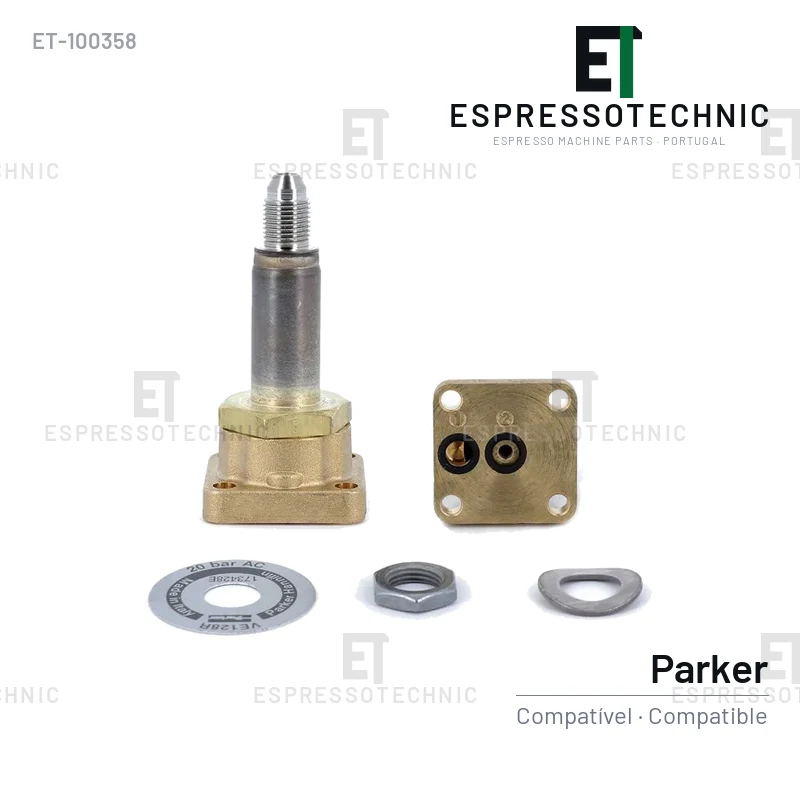
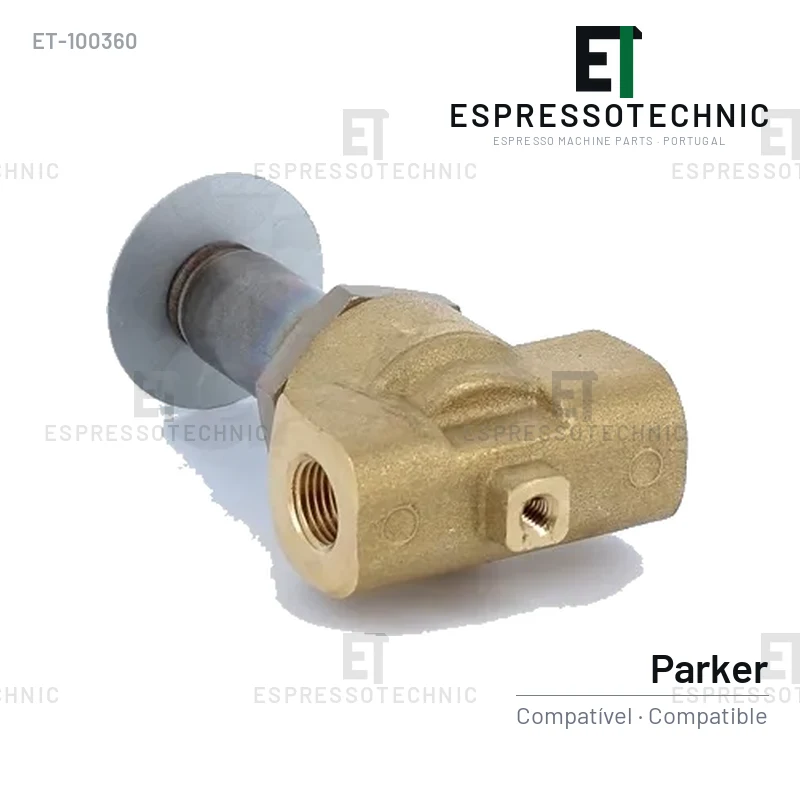
If the body seals well and the plunger moves freely, it is enough to fit a coil with the same voltage, the same current type (AC or DC), the same frequency and power and the same fitting. If the valve drips, does not close or is scaled up, replace the body or the complete valve.
Coils that look alike exist in 24 V AC, 24 V DC, 110–120 V and 220–240 V, and in different power ratings (8, 9 or 12 W, for example): always read the label on the old coil. Some valve bodies are also supplied without a coil, so the existing one can be reused if it is in good condition and fits the new body (same maker and series).
To choose the valve, note down:
- number of ways (2 or 3) and rest state (NC);
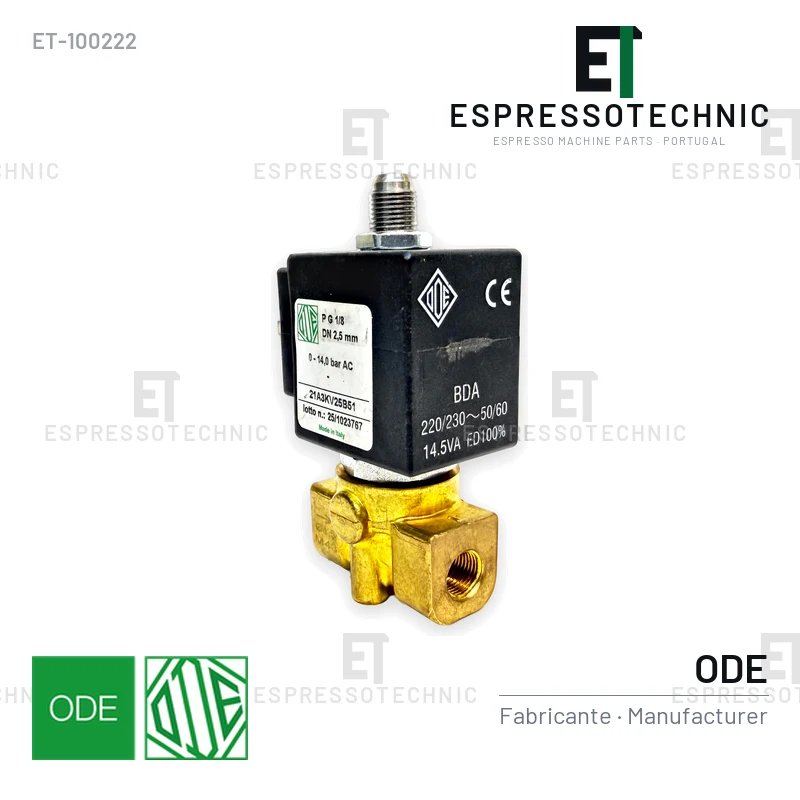
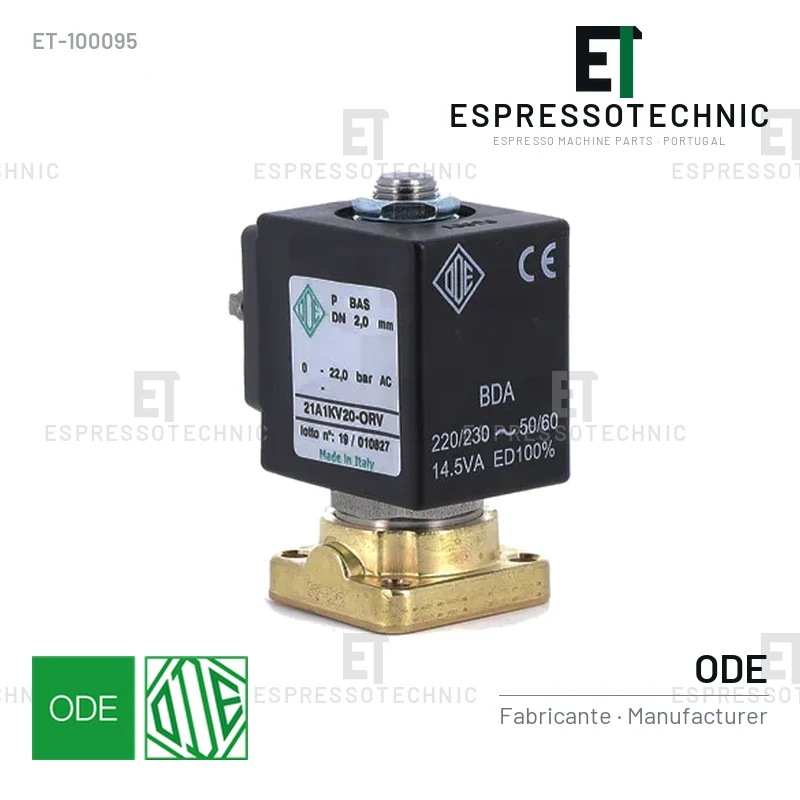
- mounting: base (flange) or inline with threaded ports (1/8″, for example);
- orifice diameter (DN), in millimetres;
- seal material (ruby, Viton®/FKM) and maximum working pressure;
- coil voltage.
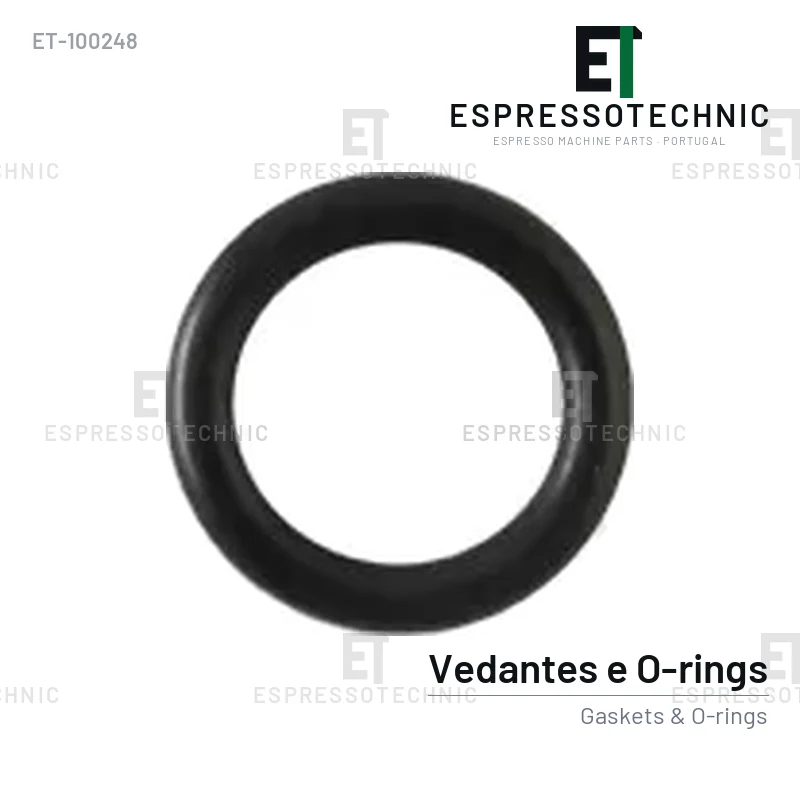
Pressure matters: in a direct-acting 3-way valve the water pressure helps the valve open, and above its design limit the valve may let water through even without power; in the group circuit the pressure can reach about 12 bar. When refitting, renew the base O-rings. See Valves & Pumps and Gaskets & O-rings.
How can solenoid valve failures be prevented?
By keeping the water treated and the group clean. Dirt is the most common cause of solenoid valve failure and, in a coffee machine, that dirt is limescale and coffee residue.
- Backflush the group with the blind basket and a suitable detergent, as often as the machine manual says: the cycle operates the group valve and washes its exhaust.
- Keep the water softener regenerated and the water inlet filter clean.
- Include the solenoid valves in the yearly service: technical manuals ask for the group valves to be checked at least once a year.
FAQ
- Is the group solenoid valve the same on every machine?
- No. The mounting (base or inline), orifice diameter, seal, maximum pressure and coil voltage all vary. Always compare with the old part and the machine model before requesting a quote.
- Will a 24 V coil work on a machine connected to 230 V?
- Only if that machine's control circuit feeds its solenoid valves at 24 V. The voltage and current type are on the old coil's label; AC and DC coils are not interchangeable, and the wrong voltage burns the coil.
- Will backflushing fix a dripping solenoid valve?
- Only when the cause is coffee residue in the exhaust or on the seat. It does not remove limescale or restore a worn seal; in those cases the valve is cleaned by a technician or replaced.
Related part families
Prices and availability on request. We reply in English or Portuguese.